Covid 19 Relief
The Chima Anyaso Foundation pivoted its operations to become a frontline provider of relief and safety.


Report on COVID-19 Food Relief Intervention Program Period: August 2020 – February 2021 (8 Months) Organized by: Chima Anyaso Foundation Location: Communities across Abia State, Nigeria
1. Introduction
The outbreak of the COVID-19 pandemic and the subsequent lockdown measures imposed across Nigeria caused significant socio-economic disruptions, particularly in rural communities. Movement restrictions prevented many farmers from accessing their farms,while families who depended on financial support from relatives in urban centers suddenly found themselves without assistance due to widespread economic shutdowns. As economic activities slowed drastically, food scarcity and hardship intensified, especially among vulnerable households in rural areas. In response to this urgent humanitarian need, the Chima Anyaso Foundation launched a
large-scale food relief intervention across Abia State, aimed at providing food supplies to families severely affected by the lockdown and economic disruption. Over a period of eight months, from August 2020 to February 2021, the Foundation procured and distributed food items valued at over ₦1 billion, making it one of the most
significant privately funded food relief initiatives in the state during the pandemic.
2. Objectives of the Intervention
The program was designed with the following objectives:
• Provide emergency food relief to families affected by the COVID-19 lockdown.
• Reduce hunger and food insecurity among vulnerable households.
• Support rural communities where farming activities had been disrupted.
• Assist families whose livelihoods were affected by economic shutdowns.
• Stabilize community welfare during a period of severe economic hardship.
3. Food Items Distributed
As part of the intervention, the Foundation procured and distributed a wide range of staple
food items to households across communities in Abia State.
Major items distributed included:
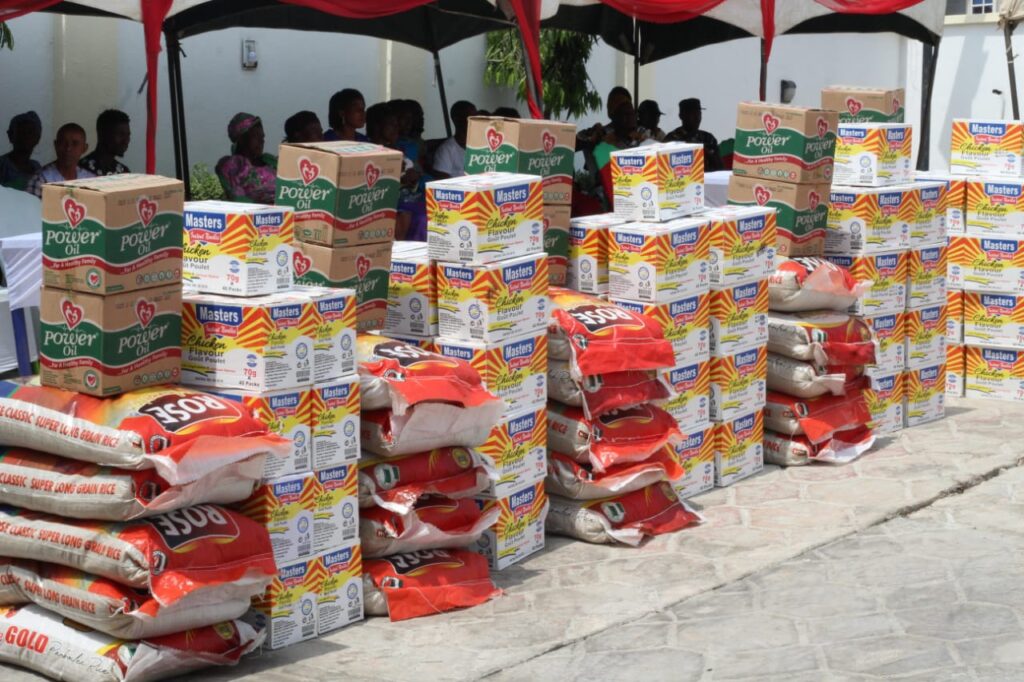
• 2 Trailer Loads of Yam
• 20,000 Cartons of Noodles
• 1 Trailer Load of Beans
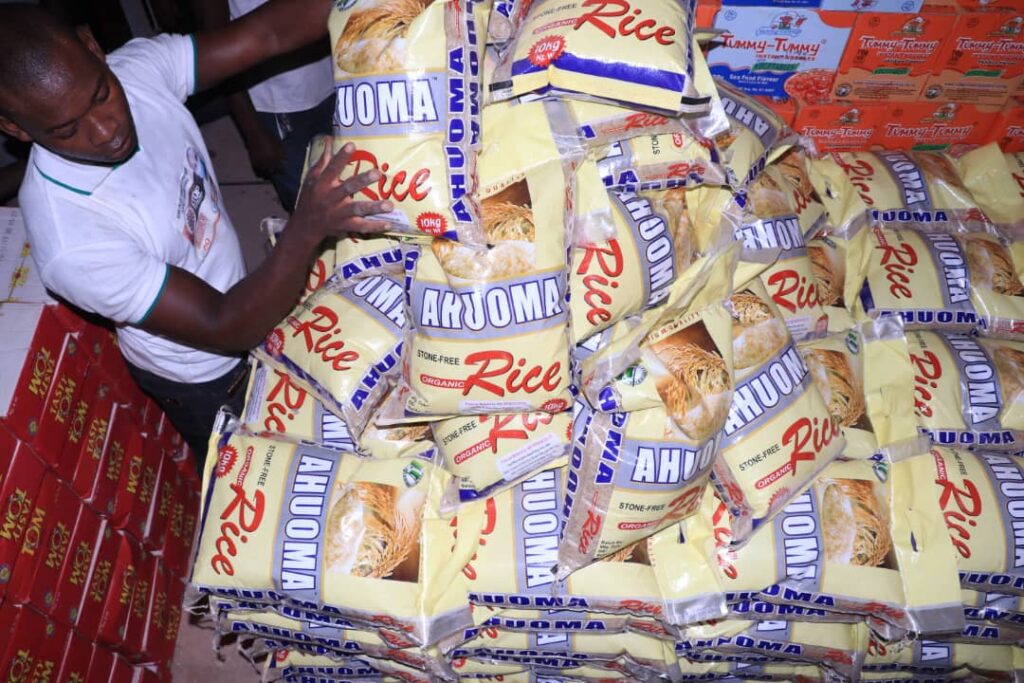
• 10,000 Bags of Rice
• 1,000 Cartons of Power Oil (Vegetable Oil)
• 10 Lexus RX300 SUVs donated to support community institutions and operational
logistics during the intervention.
The large quantities of food items ensured that thousands of families received direct
assistance during the most difficult months of the pandemic.
4. Program Implementation
The Foundation coordinated procurement, logistics, and distribution across multiple
communities within the state.
Food supplies were delivered to:
• Rural communities severely affected by lockdown restrictions
• Vulnerable households experiencing food shortages
• Community groups and local institutions assisting in distribution
Local leaders and community representatives were also engaged to ensure fair and
transparent distribution of relief materials.
5. Impact of the Intervention
The COVID-19 food relief program delivered substantial humanitarian benefits across Abia State.
Reduction in Food Insecurity Thousands of households received essential food supplies during a period when many families struggled to afford basic necessities. Support for Rural Communities Rural residents who could not access farms due to movement restrictions were able to sustain their households with the food relief provided.
Stabilization of Household Welfare The distribution program helped ease the financial burden on families whose income sources had been disrupted by lockdown measures. Strengthening Community Solidarity The intervention reinforced community support networks and demonstrated the role of
private philanthropy in responding to public emergencies.
6. Impact Story
During the height of the COVID-19 lockdown, many rural families across Abia State faced severe uncertainty about how they would feed their households. Farmers were unable to travel freely to their farms, while relatives in cities—who often supported families in the villages—were also struggling due to business closures and job disruptions. In several communities, food prices rose sharply, and access to basic staples became
increasingly difficult. Through the large-scale food relief program implemented by the Chima Anyaso Foundation, thousands of families received essential food supplies such as rice, beans, yams, and cooking oil. For many households, these provisions provided critical relief during
months when economic activity was nearly at a standstill. Community members expressed deep appreciation for the intervention, noting that the
support helped sustain families and prevent widespread hunger during one of the most difficult periods of the pandemic.
7. Conclusion
The COVID-19 Food Relief Intervention carried out by the Chima Anyaso Foundation represents a significant humanitarian response to the challenges created by the pandemic. By distributing over ₦1 billion worth of food supplies across communities in Abia State over an eight-month period, the Foundation provided essential relief to vulnerable households and helped mitigate the impact of the lockdown on rural populations. The initiative highlights the critical role that private foundations and philanthropic organizations can play in supporting communities during times of crisis, ensuring that vulnerable populations receive the support they need when it matters most.