Covid 19
The Chima Anyaso Foundation pivoted its operations to become a frontline provider of relief and safety.


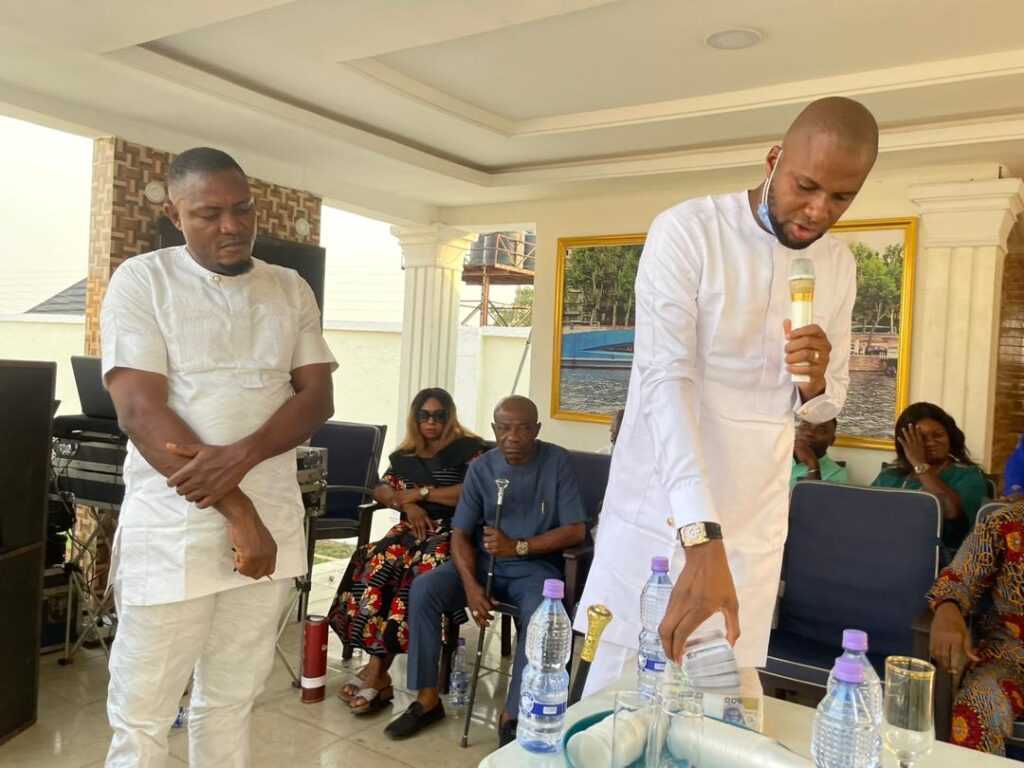
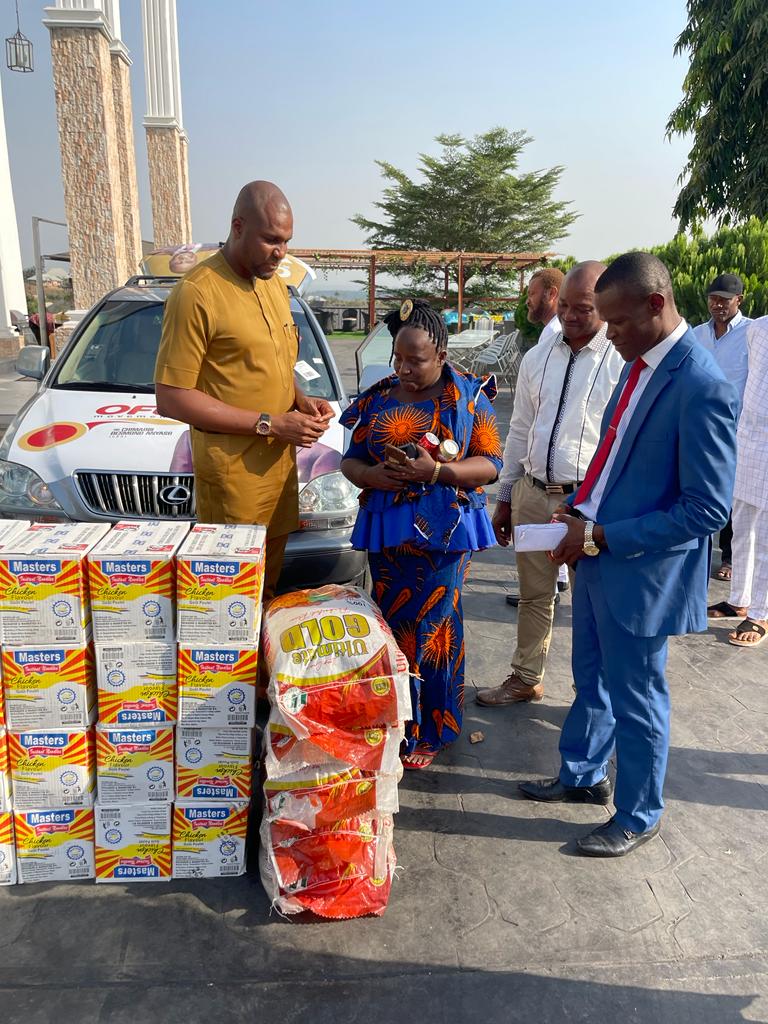

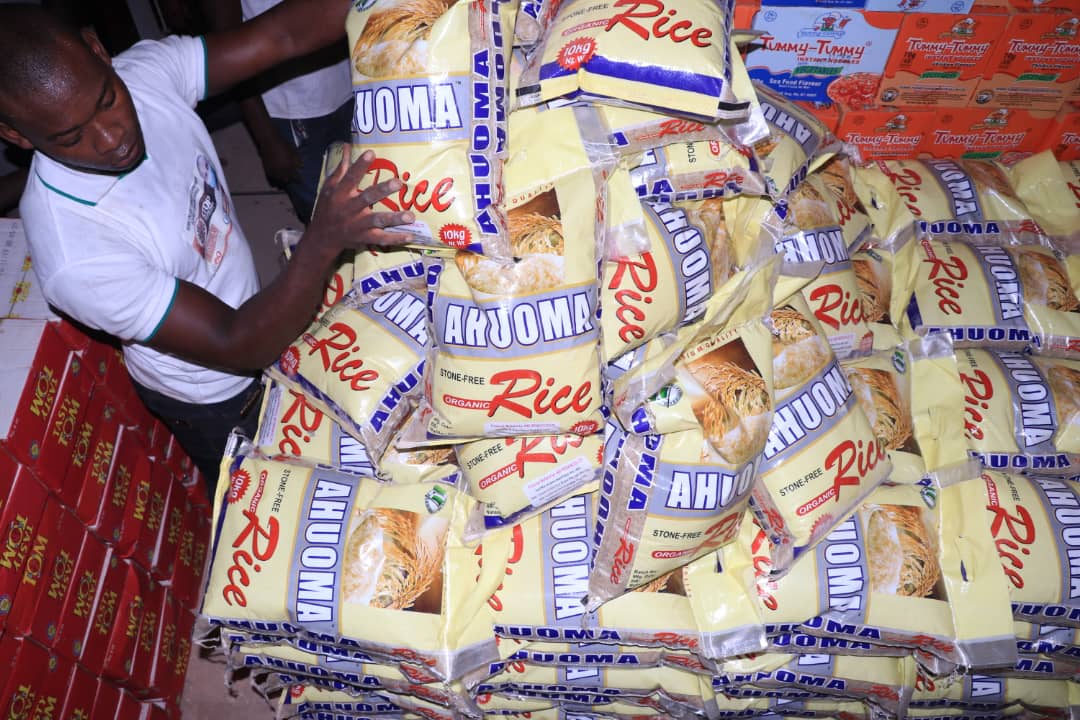
Report and Impact Story: COVID-19 Awareness and PPE Distribution Program Program: COVID-19 Awareness and PPE Distribution Initiative Organized by: Chima Anyaso Foundation Location: Bende Local Government Area, Aba and other parts of Abia State, Nigeria Period: During the outbreak of the COVID-19 pandemic
1. Introduction
At the outbreak of the global COVID-19 pandemic, the Chima Anyaso Foundation launched a comprehensive public health awareness and personal protective equipment (PPE) distribution program aimed at educating communities and preventing the spread of the
virus across Abia State. The initiative focused particularly on rural communities, where misinformation, skepticism,
and lack of access to preventive resources posed serious risks to public health. Through proactive engagement, community education, and free distribution of protective materials, the Foundation worked to ensure that residents understood the dangers of the pandemic
and adopted the recommended safety measures.
2. Objectives of the Program
The program was designed to achieve the following objectives:
• Create widespread awareness about COVID-19 and its health implications.
• Combat misinformation and myths surrounding the pandemic.
• Promote adherence to safety protocols recommended by health authorities.
• Provide protective equipment to communities lacking access to preventive tools.
• Encourage hygienic practices such as regular hand washing and sanitization.
3. Program Implementation
To ensure effective outreach, the Foundation adopted a mobile community engagement strategy.
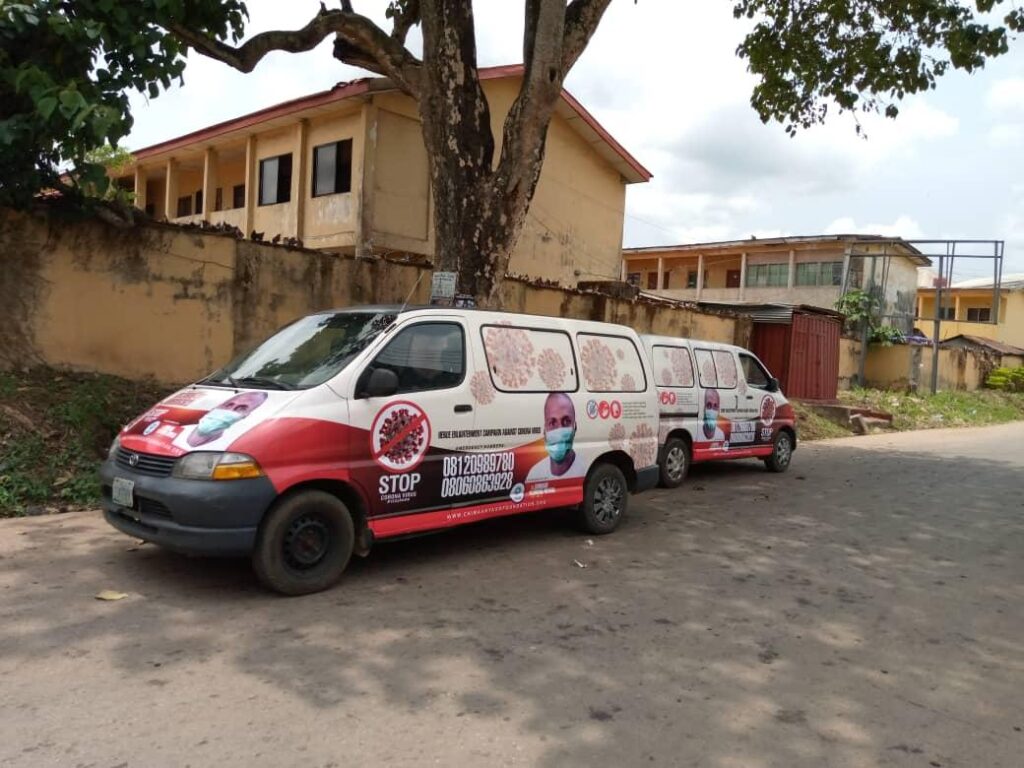
Branded Awareness Buses The Foundation procured and branded two buses dedicated to the awareness campaign. These buses served as mobile outreach units that travelled across communities in:
• Bende Local Government Area
• Aba
• Other parts of Abia State
The buses carried trained educators and first responders who engaged communities directly, providing health education and demonstrating proper safety practices.
4. Community Education and Sensitization
One of the major challenges encountered during the program was community resistance to
COVID-19 safety guidelines. In many rural areas, residents initially believed that:
• COVID-19 was not real.
• The virus was a “white man’s disease” that could not affect Africans.
• Preventive measures such as nose masks and hygiene protocols were unnecessary.
Recognizing the danger of such misconceptions, the Foundation’s teams focused on
patient, community-based education.
Through town-hall style interactions, demonstrations, and repeated visits to communities,
the teams explained:
• How the virus spreads
• Why preventive measures are necessary
• The importance of protecting vulnerable populations
These engagements gradually helped shift perceptions and build trust within the communities.
5. Distribution of Preventive Materials
As part of the intervention, the Foundation provided essential preventive resources free of
charge to residents.
Items distributed included:
• Nose masks
• Hand sanitizers
• Makeshift hand-washing stations with running water
These resources enabled residents to immediately begin practicing the recommended safety protocols.
6. Program Impact
The COVID-19 Awareness Program delivered significant outcomes across the communities
reached.
Improved Public Awareness
Residents who were initially skeptical became more informed about the virus and its risks.
Increased Adoption of Safety Measures
Following the outreach campaigns, more people began:
• Wearing nose masks
• Washing hands regularly
• Using hand sanitizers
• Following safety guidelines recommended by medical experts
Community Behavioral Change
The continued presence of the Foundation’s teams and their educational efforts helped
change public perception, transforming disbelief into awareness and responsibility.
Strengthened Community Resilience
By providing both information and protective resources, the program empowered
communities to better protect themselves during the pandemic.
7. Impact Story
In several rural communities within Bende, initial resistance to COVID-19 safety protocols was widespread. Many residents dismissed the virus as misinformation or a disease that would not affect Africans. During the early phase of the outreach, members of the Foundation’s awareness team encountered communities where people refused to wear nose masks and openly rejected public health guidance. However, through consistent engagement, patient explanation, and practical demonstrations, the teams gradually gained the trust of community members. Free distribution of nose masks and hand sanitizers further encouraged adoption of safety measures.
Over time, visible changes occurred. Residents who once rejected the idea of COVID-19 precautions began wearing masks in public spaces, practicing hand hygiene, and encouraging others to follow the guidelines. The outreach demonstrated that community education combined with accessible preventive resources can significantly influence public health behavior, particularly in rural areas where misinformation may be widespread.
8. Conclusion
The COVID-19 Awareness and PPE Distribution Program implemented by the Chima Anyaso Foundation played an important role in educating communities, combating misinformation, and promoting preventive health practices during a critical period of the
pandemic. By deploying mobile awareness units, engaging directly with communities, and providing essential protective materials, the Foundation contributed to improving public understanding and encouraging responsible health behavior across parts of Abia State.
The initiative stands as a strong example of community-driven public health intervention, demonstrating how private foundations can support government and health authorities during emergencies to protect vulnerable populations.