
Nkpa Water Project
The Chima Anyaso Foundation pivoted its operations to become a frontline provider of relief and safety.
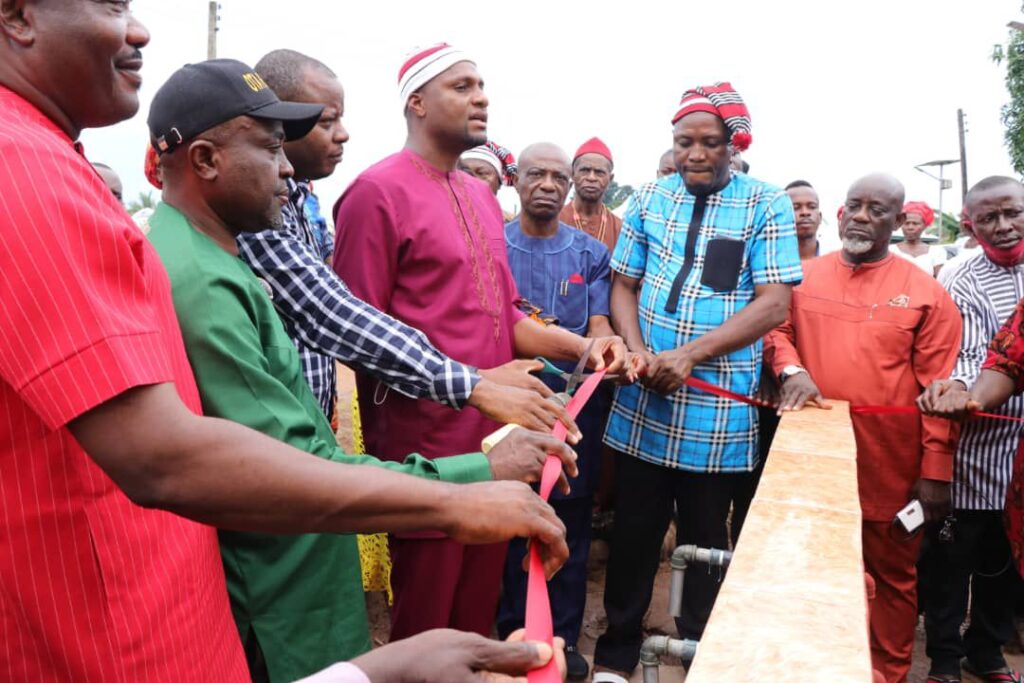
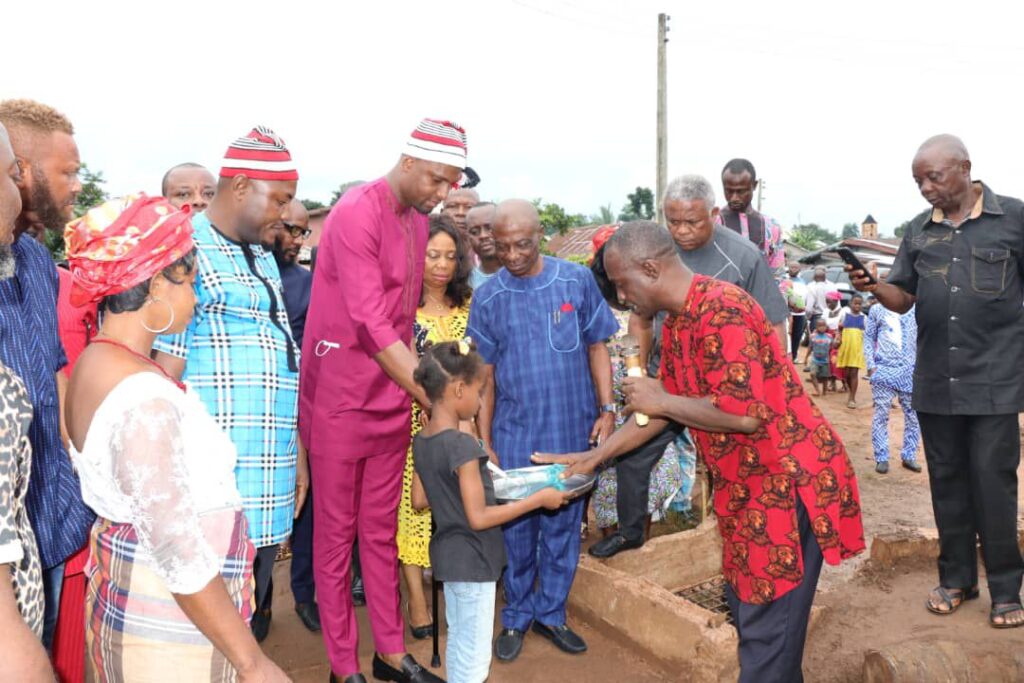
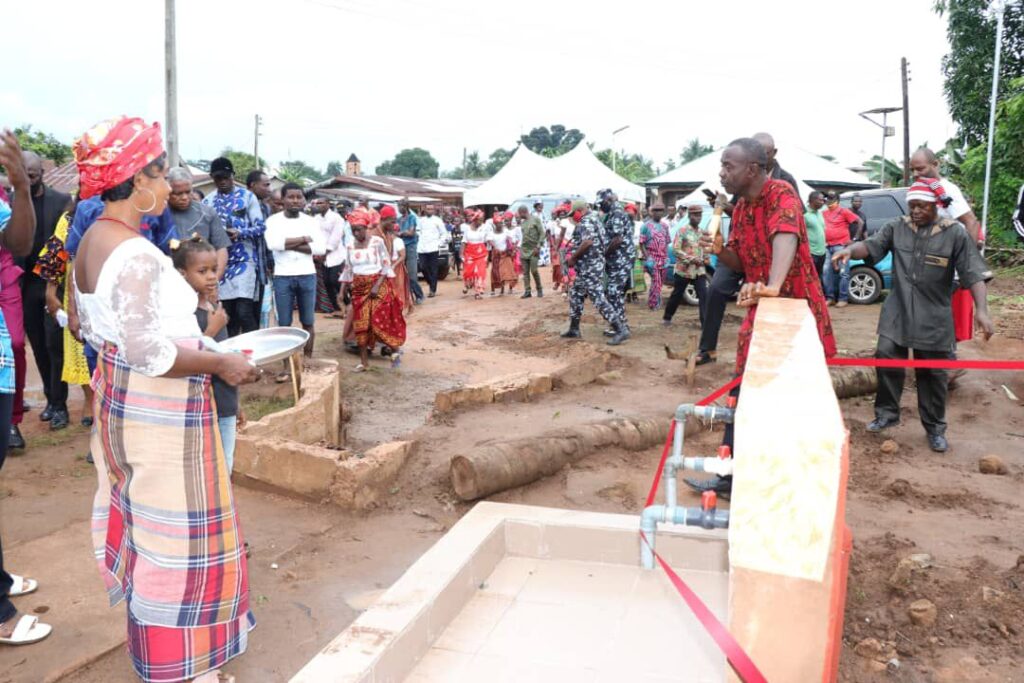
Report on Borehole Water Project Project: Community Borehole Water Supply Location: Nkpa, Bende Local Government Area, Abia State Implemented by: Chima Anyaso Foundation
Introduction
Access to clean and safe drinking water remains one of the most pressing challenges in rural communities across Nigeria. Recognizing this challenge, the Chima Anyaso Foundation constructed boreholes to provide reliable potable water for residents of Nkpa in Bende Local Government Area.
The project was designed to address the long-standing water scarcity faced by many rural communities and to improve public health and living conditions for residents.
Water Access Challenges in Rural Nigeria
Despite being Africa’s largest economy, access to safe drinking water remains limited in many parts of Nigeria. According to surveys supported by UNICEF, about 69 million Nigerians—around 40% of households—lack access to clean water sources, with rural communities being the most affected.
In many rural areas, millions of people walk long distances daily to fetch water from unsafe sources.
Factors Responsible for Water Scarcity in Rural Communities
Several factors contribute to the lack of clean water in rural Nigeria:
- Topographical challenges: Some communities are located on rocky terrain or elevated landscapes where natural water sources are scarce and drilling is technically difficult.
- Poor infrastructure: Limited government investment in rural water supply systems.
- Poverty and high drilling costs: Communities cannot afford borehole construction or maintenance.
- Population growth: Increased demand for water without matching infrastructure.
- Environmental contamination: Surface water sources often become polluted by waste and agricultural runoff.
Alternative Water Sources Used by Rural Communities
Due to the absence of boreholes or treated water systems, many rural residents rely on: • Streams and rivers
- Lakes and ponds
- Shallow hand-dug wells
- Rainwater collection
These sources are often unprotected and unsafe for drinking.
Health Risks of Unsafe Water Sources
Unsafe water exposes communities to serious health risks. Contaminated water sources frequently carry bacteria and pathogens that cause diseases such as:
- Cholera
- Typhoid fever
- Diarrhea
- Dysentery
These waterborne diseases are particularly dangerous for children, and diarrhea remains a leading cause of child illness and death in Nigeria.
Importance and Impact of the Borehole Project
The borehole project implemented by the Chima Anyaso Foundation provides several key benefits to the people of Nkpa:
- Access to clean, safe drinking water for households.
- Reduction in waterborne diseases caused by contaminated water sources. • Improved hygiene and sanitation within the community.
- Reduced time spent fetching water, allowing residents—especially women and children—to focus on education and economic activities.
- Improved quality of life and community health.
Conclusion
The provision of boreholes by the Chima Anyaso Foundation in Nkpa represents a critical intervention in addressing rural water scarcity. By ensuring access to safe drinking water, the project contributes to better health outcomes, improved livelihoods, and sustainable community development.
Access to clean water is not only a necessity for survival but also a foundation for public health, economic productivity, and human dignity in rural communities.